5 Days Tanzania Family Safari Experience

Nothern Tanzania

From

$ 1,830

Duration

5 days

Tour Type

Tour Highlight

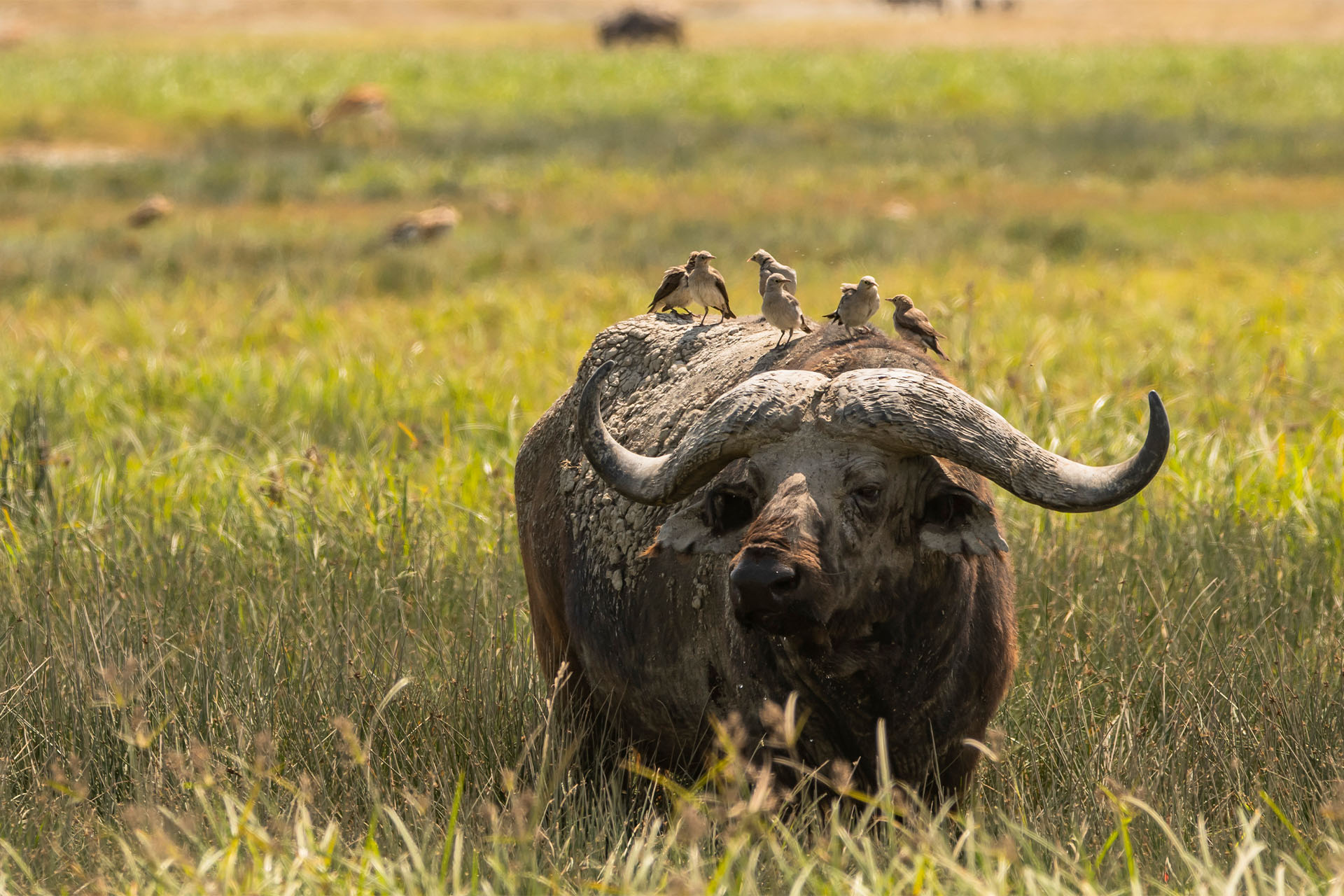
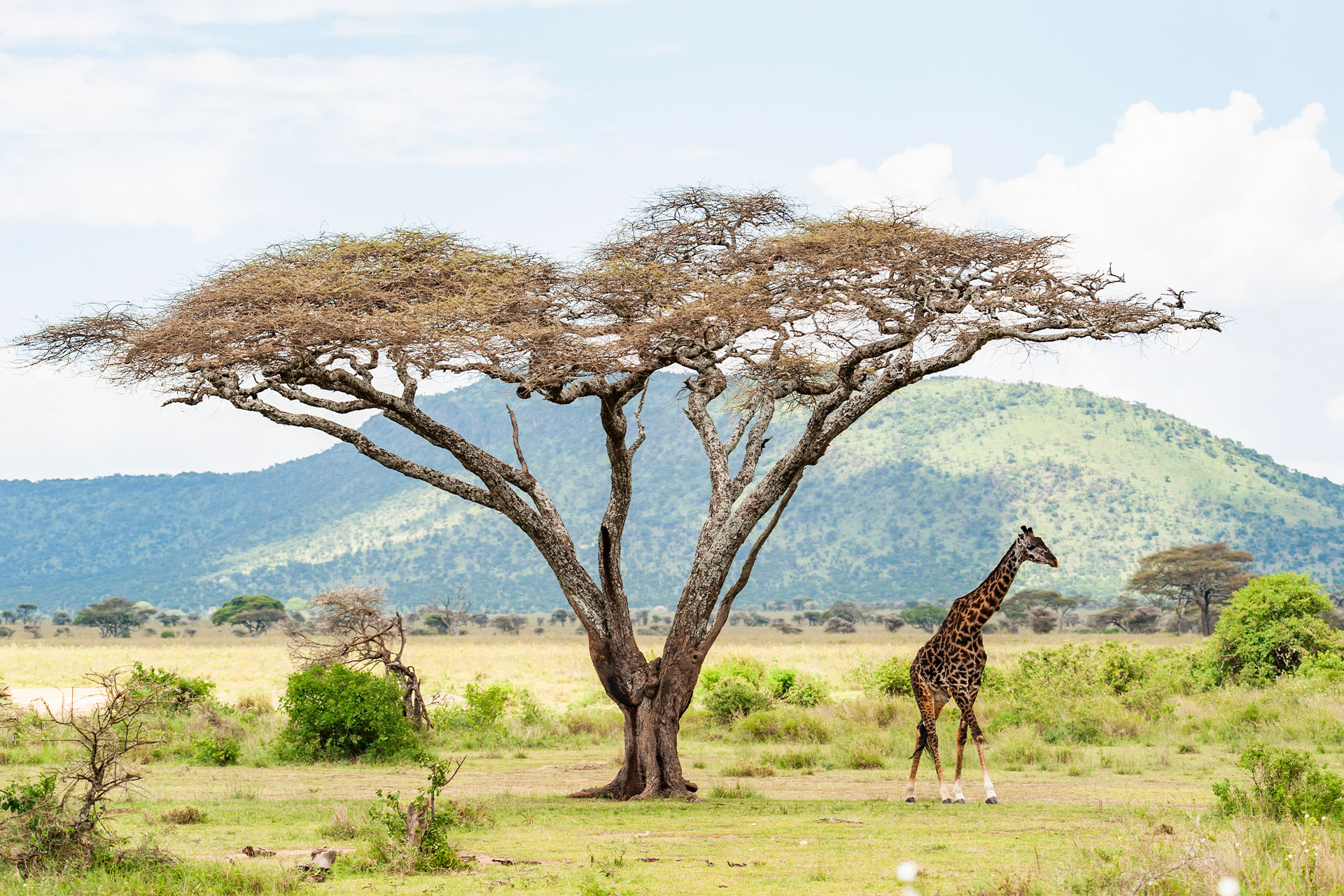
Take your family on an unforgettable journey through East Africa, where wildlife, history, and culture come together in a truly breathtaking experience. Explore the vast Serengeti National Park, stretching over 15,000 square kilometers of rolling savanna, home to an incredible array of wildlife, from the tiny dik-dik antelope to towering African elephants. As you traverse this iconic landscape, you’ll also delve into the deep history of the region, visiting areas that were once home to our earliest ancestors. Connect with the rich cultural heritage of the Maasai community, where you can learn about their way of life, hear fascinating stories of ancient customs, and even participate in preparing a traditional Swahili dish. This adventure offers a perfect blend of nature, history, and hands-on cultural experiences that will leave you and your family with memories to last a lifetime.
My Trip

Plan Trip To Africa

We take pride in crafting personalized safari itineraries tailored to your preferences and budget. From our first email to your final airport drop-off, we ensure every detail is handled with care, delivering exceptional customer service every step of the way.

Tour Itinerary

Arrival at Kilimanjaro International Airport (JRO), where you will meet an Swahili Trippers representative, and transfer to the hotel under the rate. The hotel will provide all the essentials for a comfortable stay: cozy rooms, hot water, polite staff, a swimming pool, and Internet access. In the evening there will be a briefing with our managers, who will also make sure you are ready to begin the Safari.

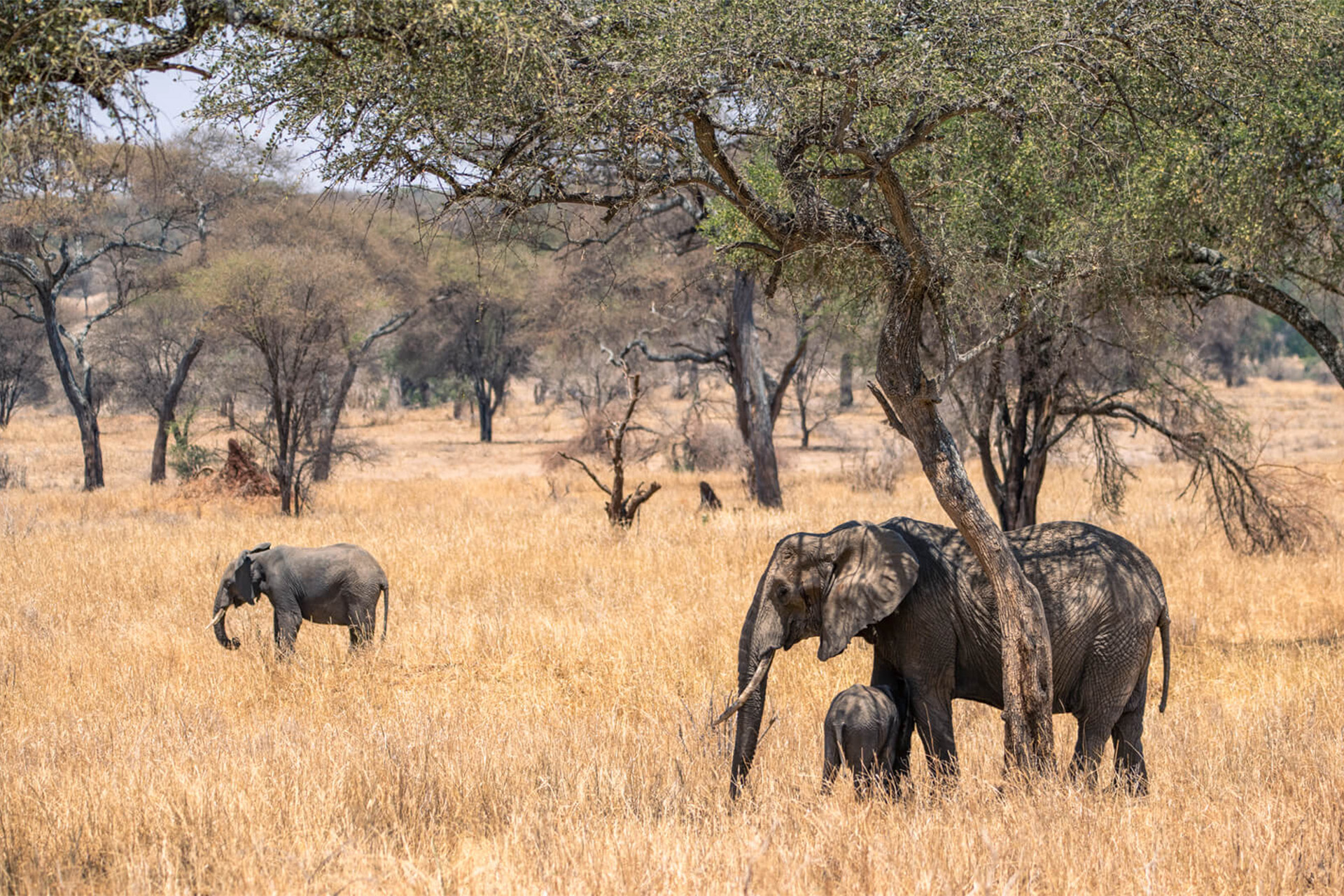
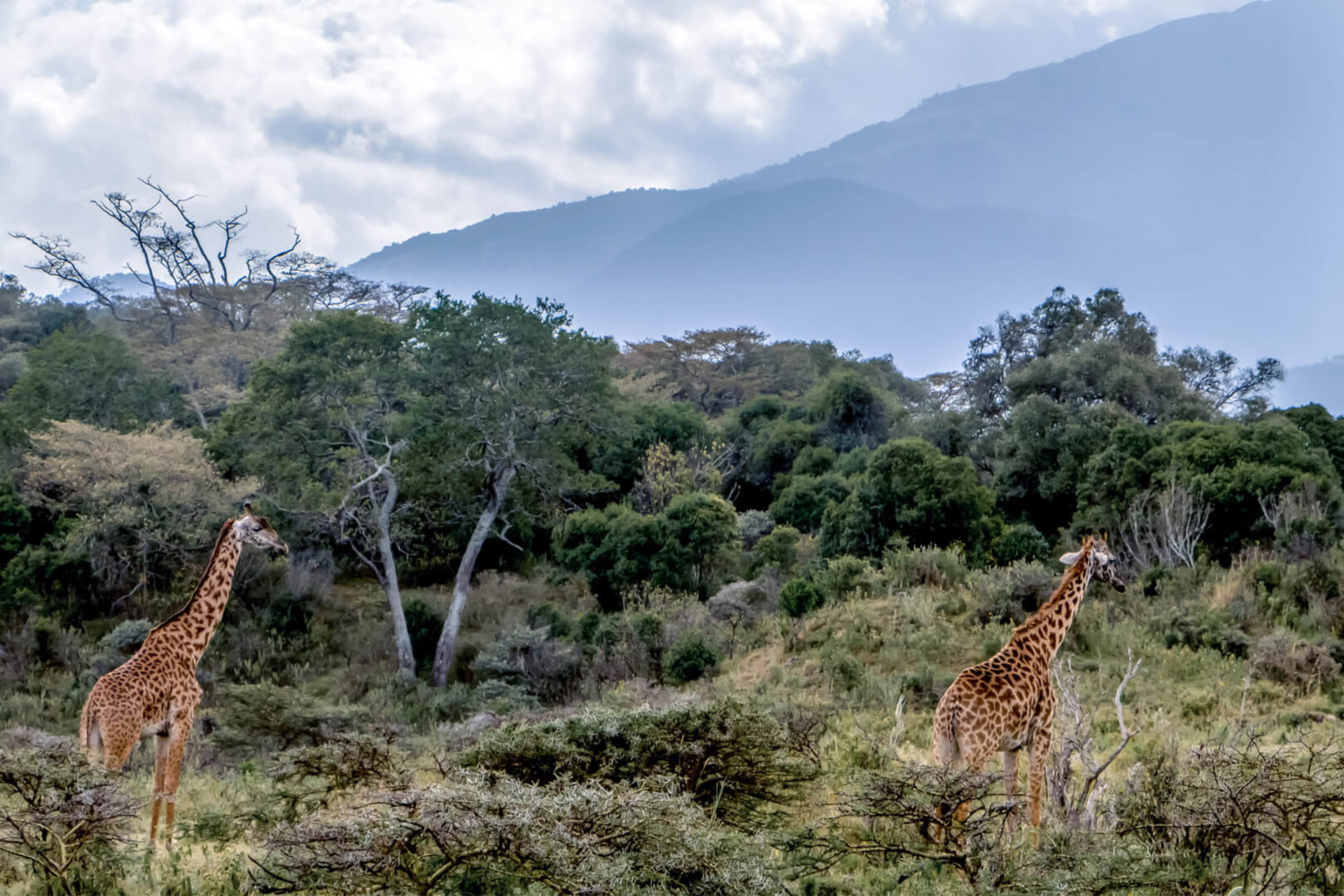
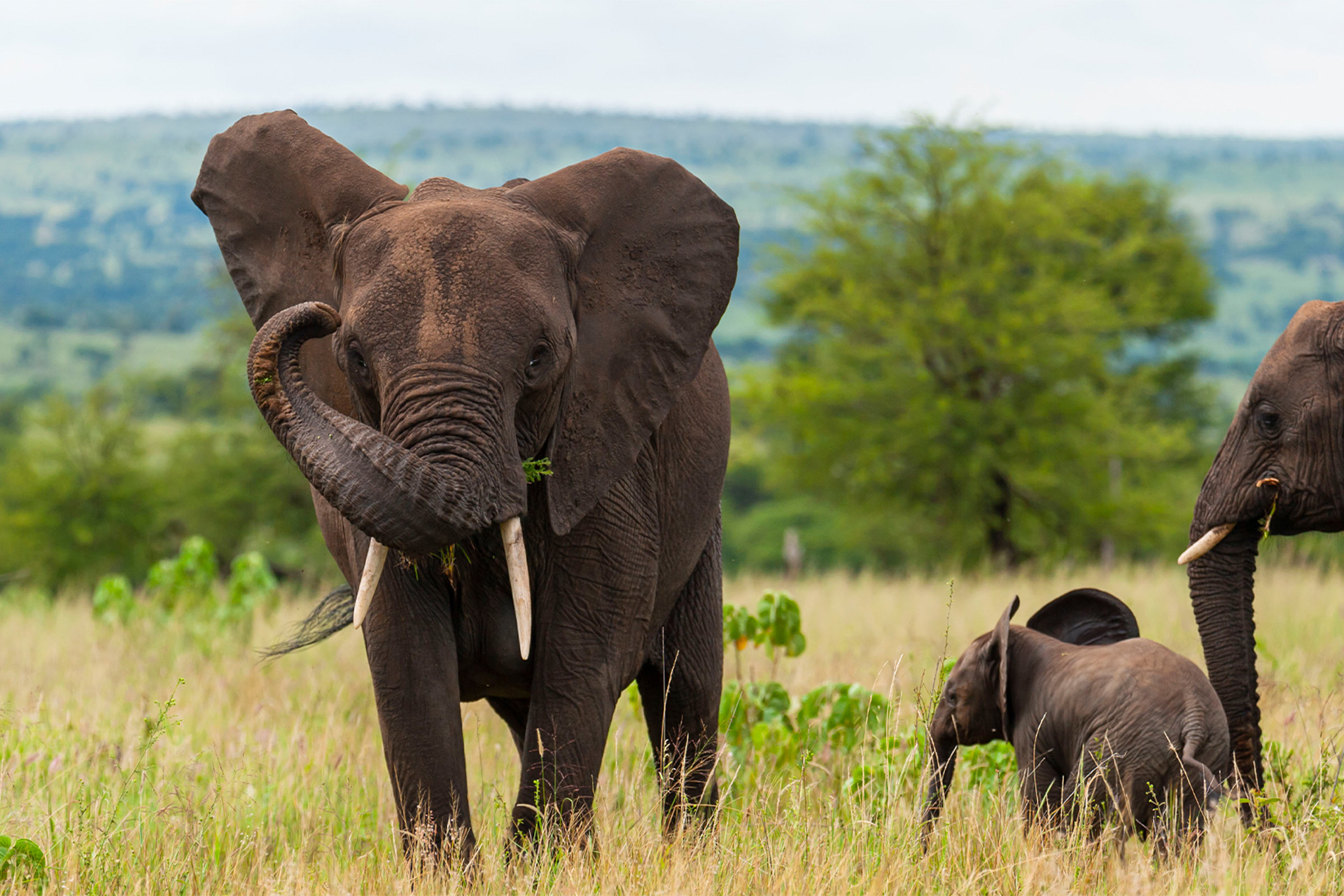
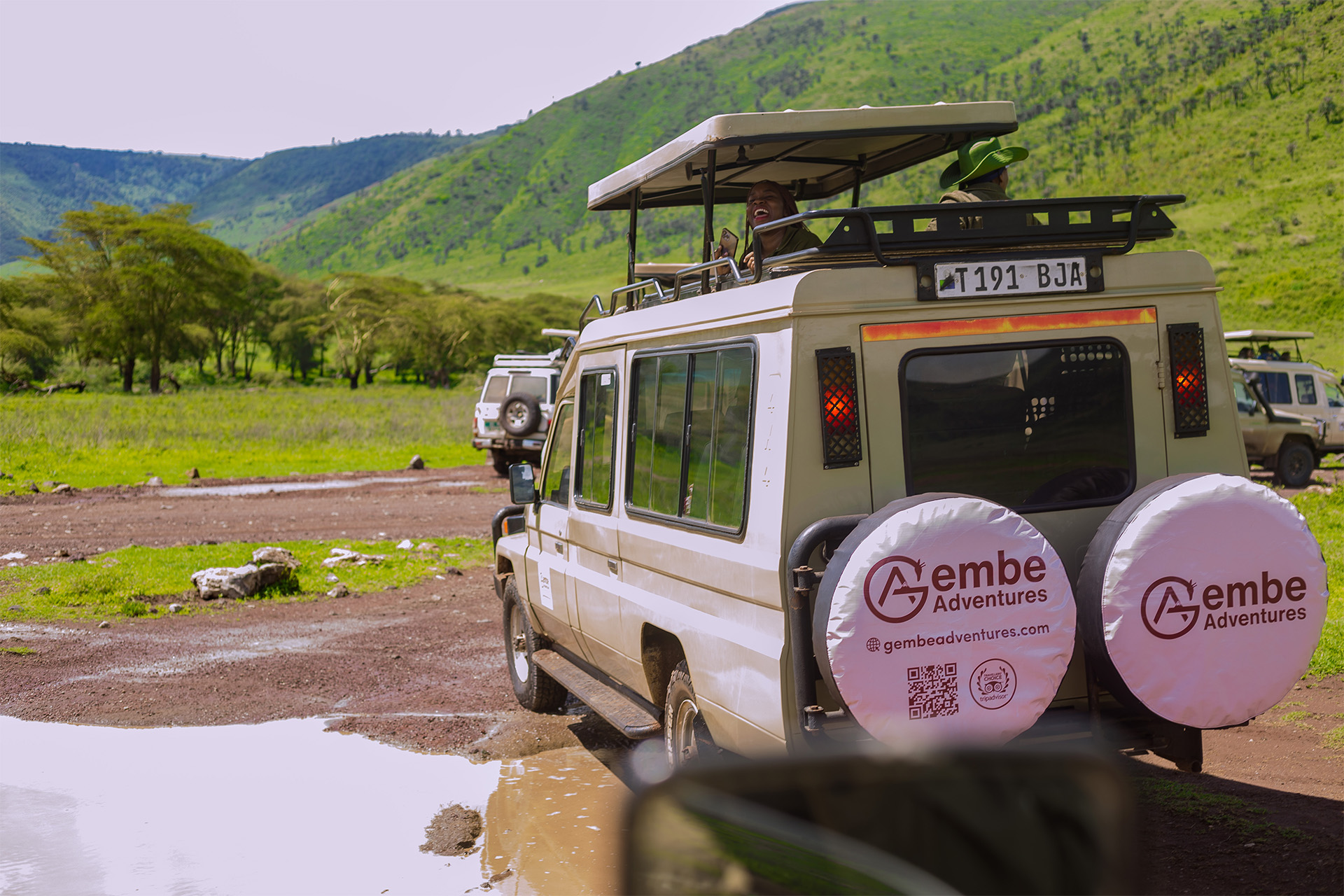
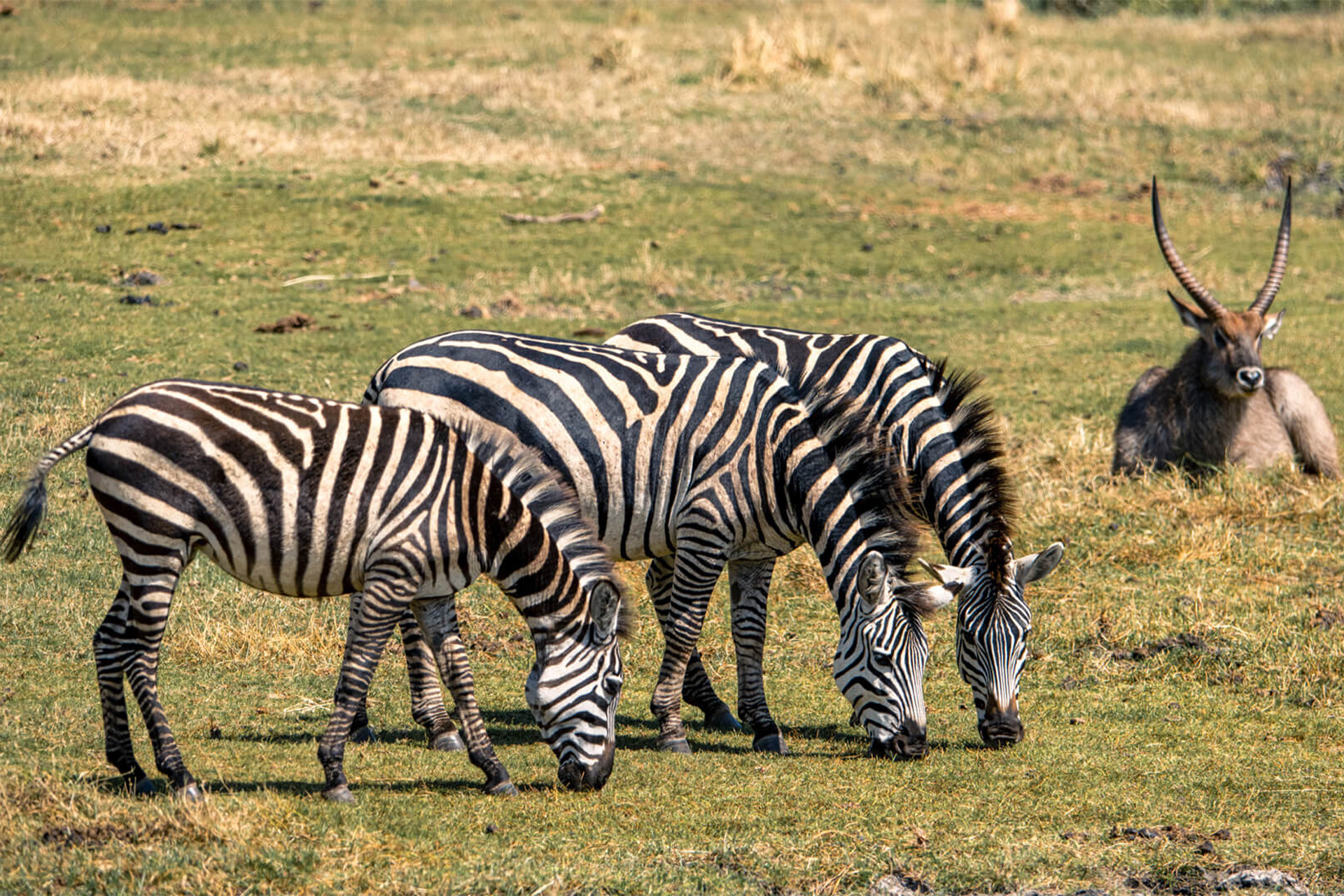
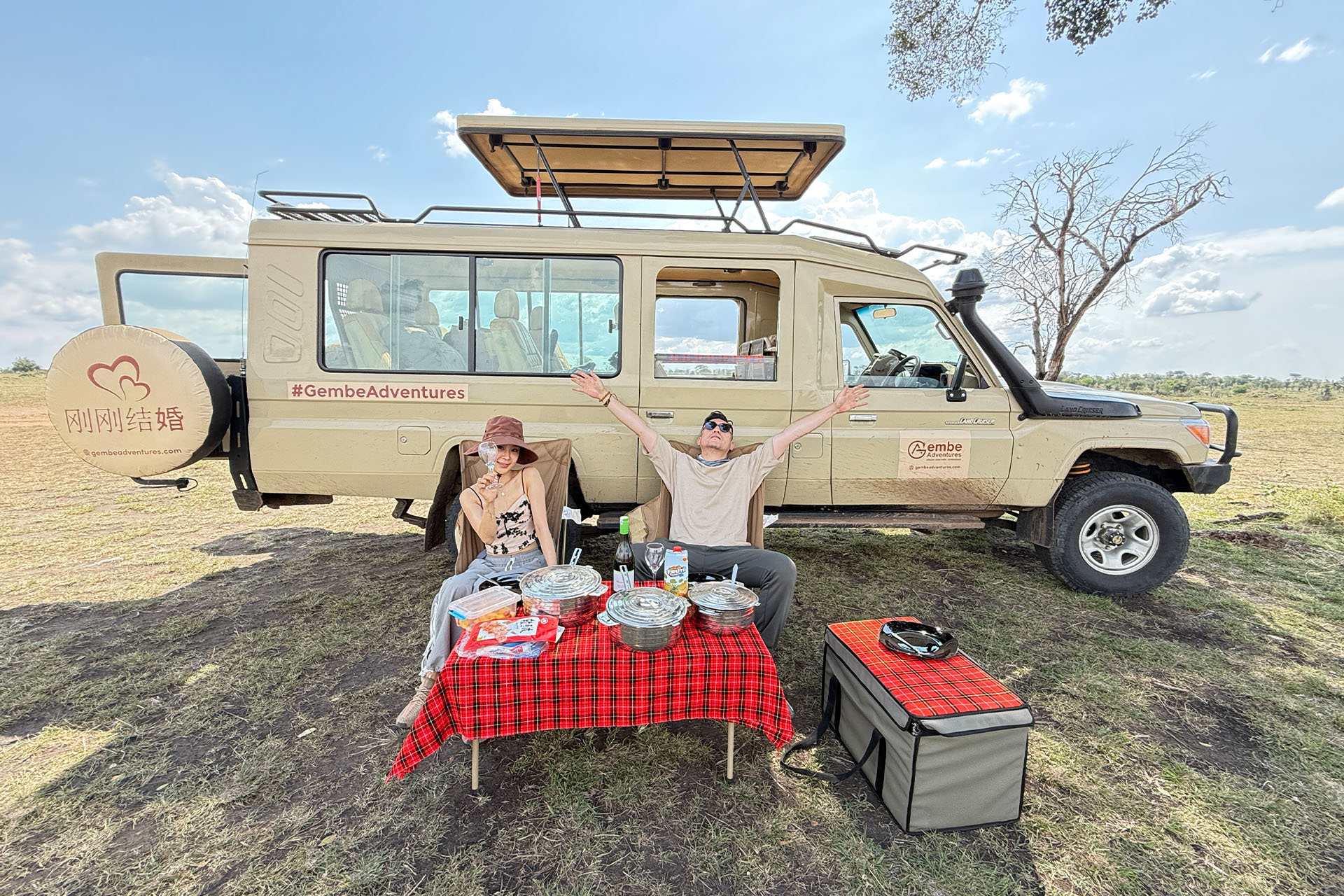
After a short briefing in the morning, you will be taken to the Tarangire National Park. The park with its endless tree savannah including the impressive baobab trees and seasonal marshes, is also home to the largest elephant herds in northern Tanzania. In addition to elephants you are also likely to spot giraffes, buffaloes, lions, zebras, wildebeests and other types of antelopes and gazelles. Upon arrival at the park, your guide will open the roof of the vehicle and the extensive wildlife viewing will begin. Lunch will be taken at a picnic spot and in the afternoon, you will get to see more of this amazing and beautiful park. In the late afternoon you will arrive at the Lake Burunge Tented Lodge, located outside of the park for your overnight stay.

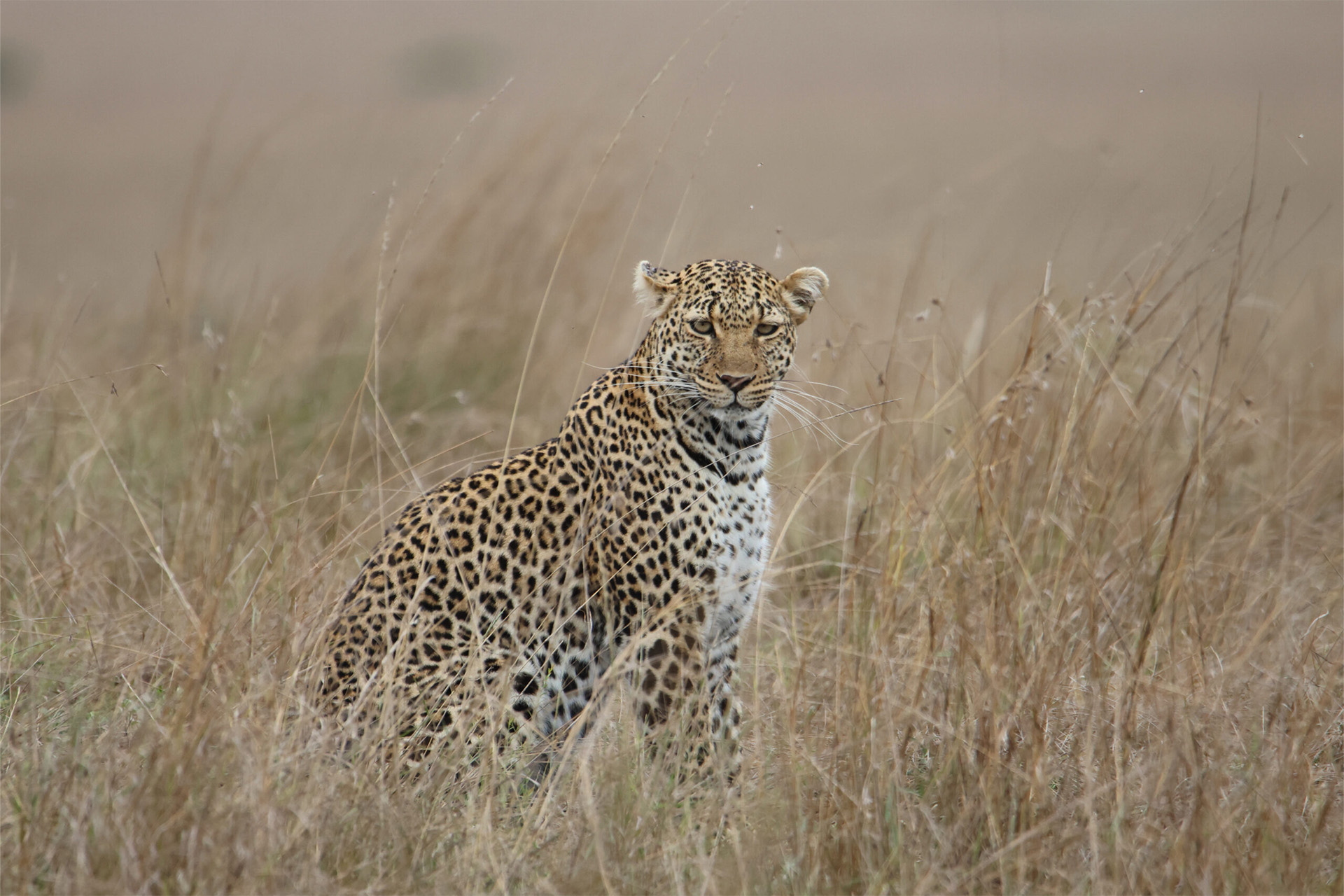
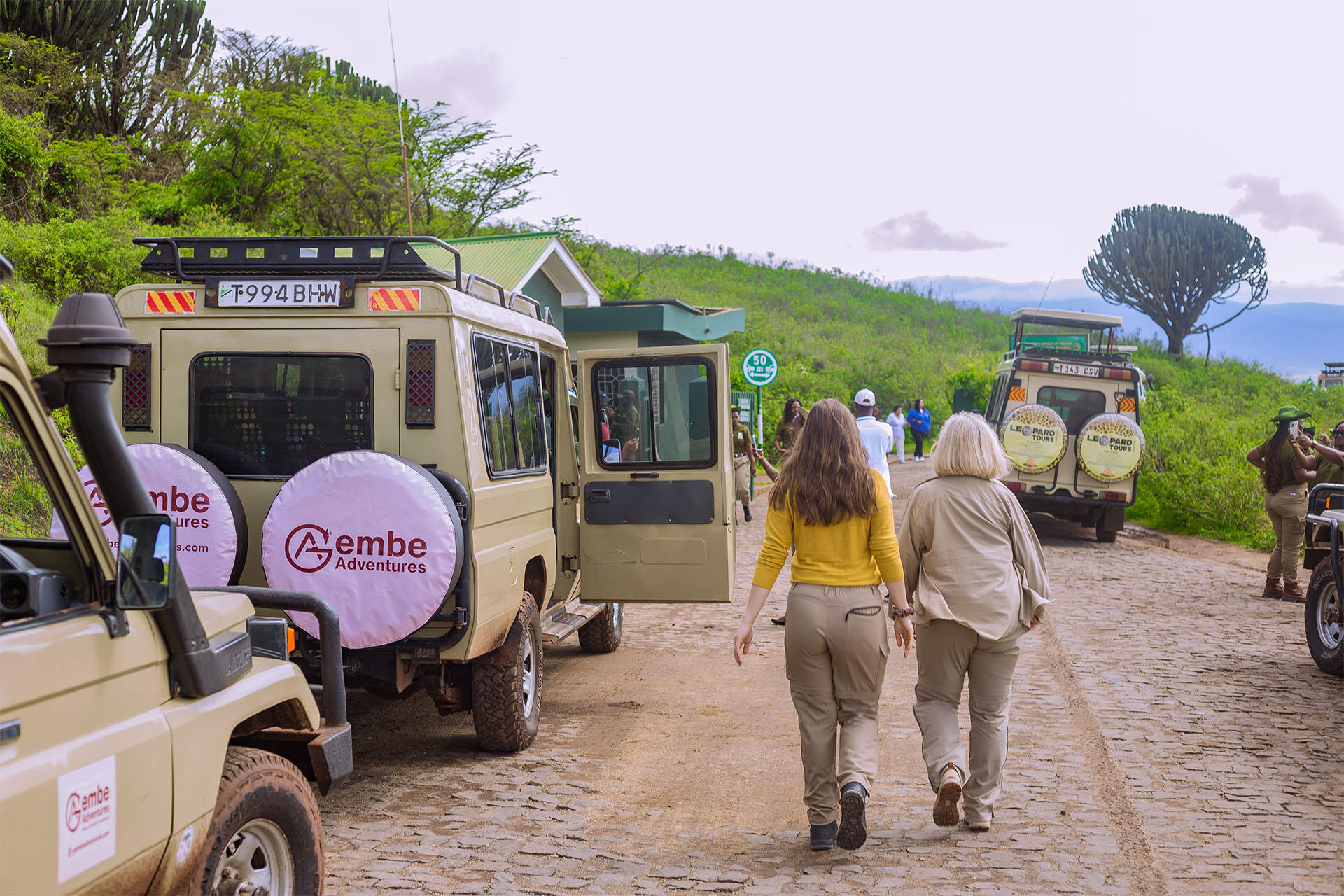
After breakfast you will depart towards the Rift Valley, passing through Mto wa Mbu and Karatu, in the cooler regions of the crater highlands. You will enter the Ngorongoro Conservation Area and stop for a short look into the crater from a viewing point. Continuing your journey around the crater, you will descend the other side, enjoying your free “African massage” on the bumpy road, passing Maasai villages on your way to the Serengeti National Park. At the Naabi Hill entrance gate you can walk to a viewpoint with spectacular views across the plains of the Serengeti savannah. You will then continue towards the Seronera Area in the central part of the Serengeti. The park offers a multitude of wildlife including the Big Five – lion, elephant, buffalo, rhino and leopard. Late in the afternoon you will arrive at the Kati Kati Tented Camp. The camp is in a secluded area, in the heart of the bush, and the stars at night are breath-taking. Lunch will be enjoyed en-route.

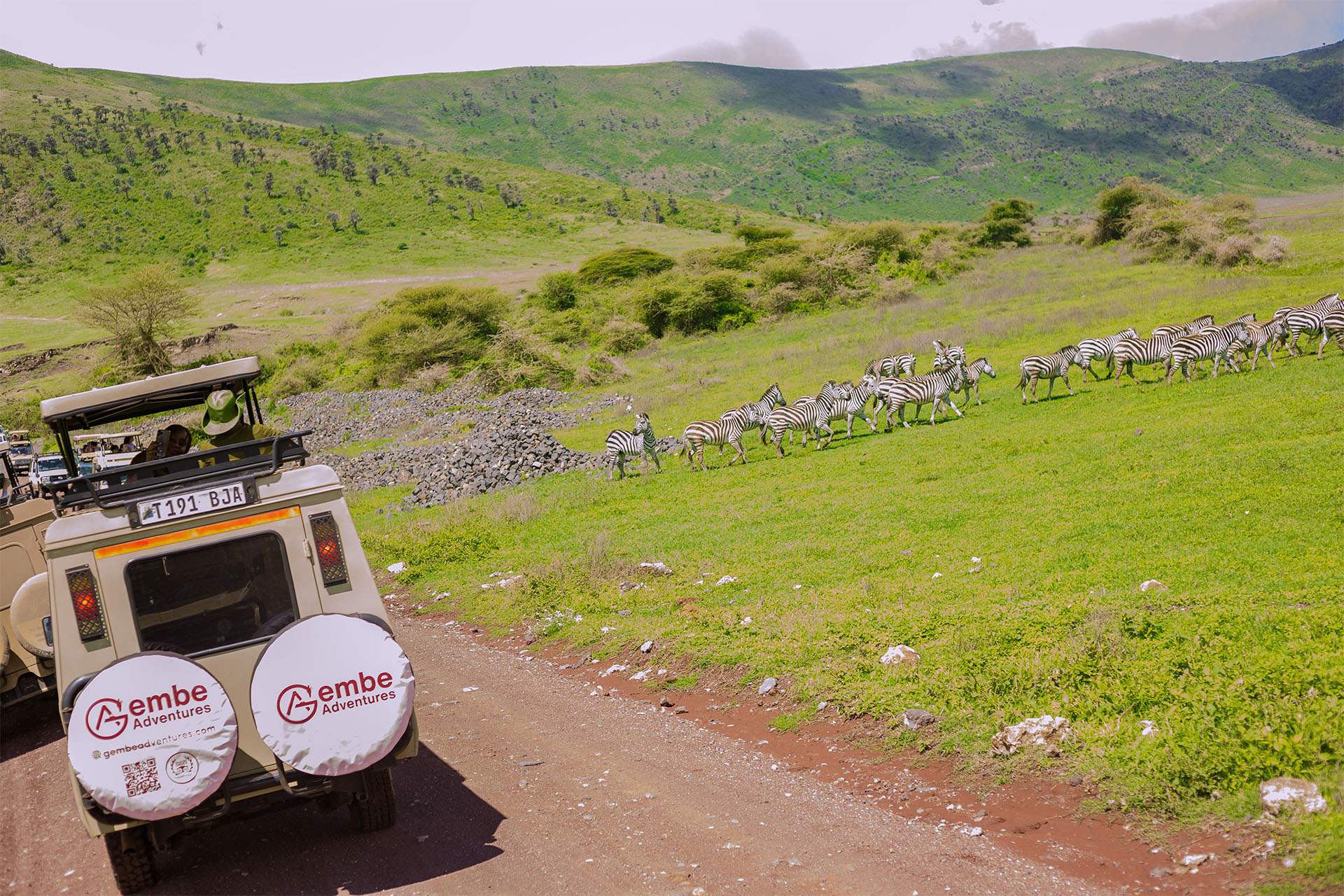
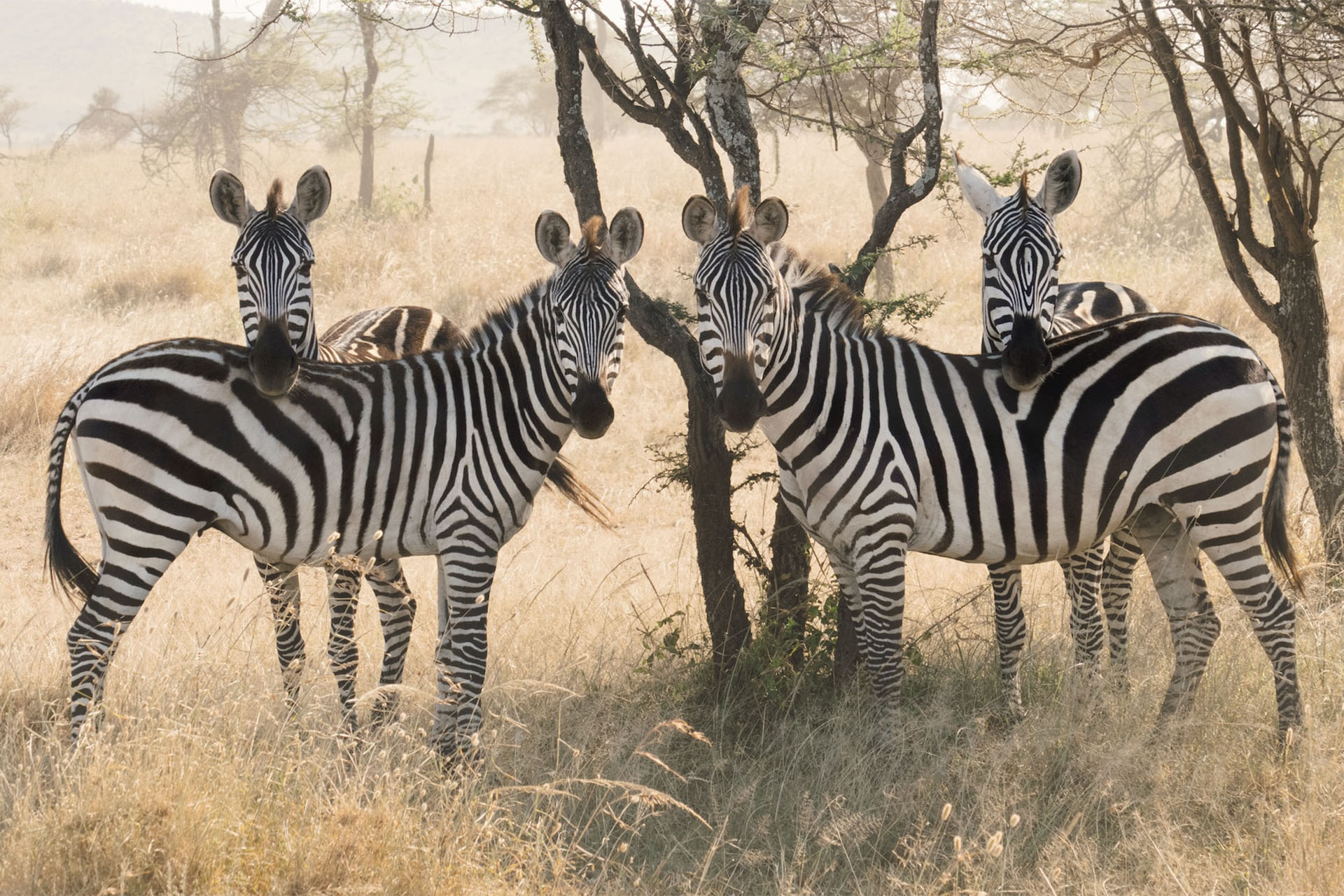
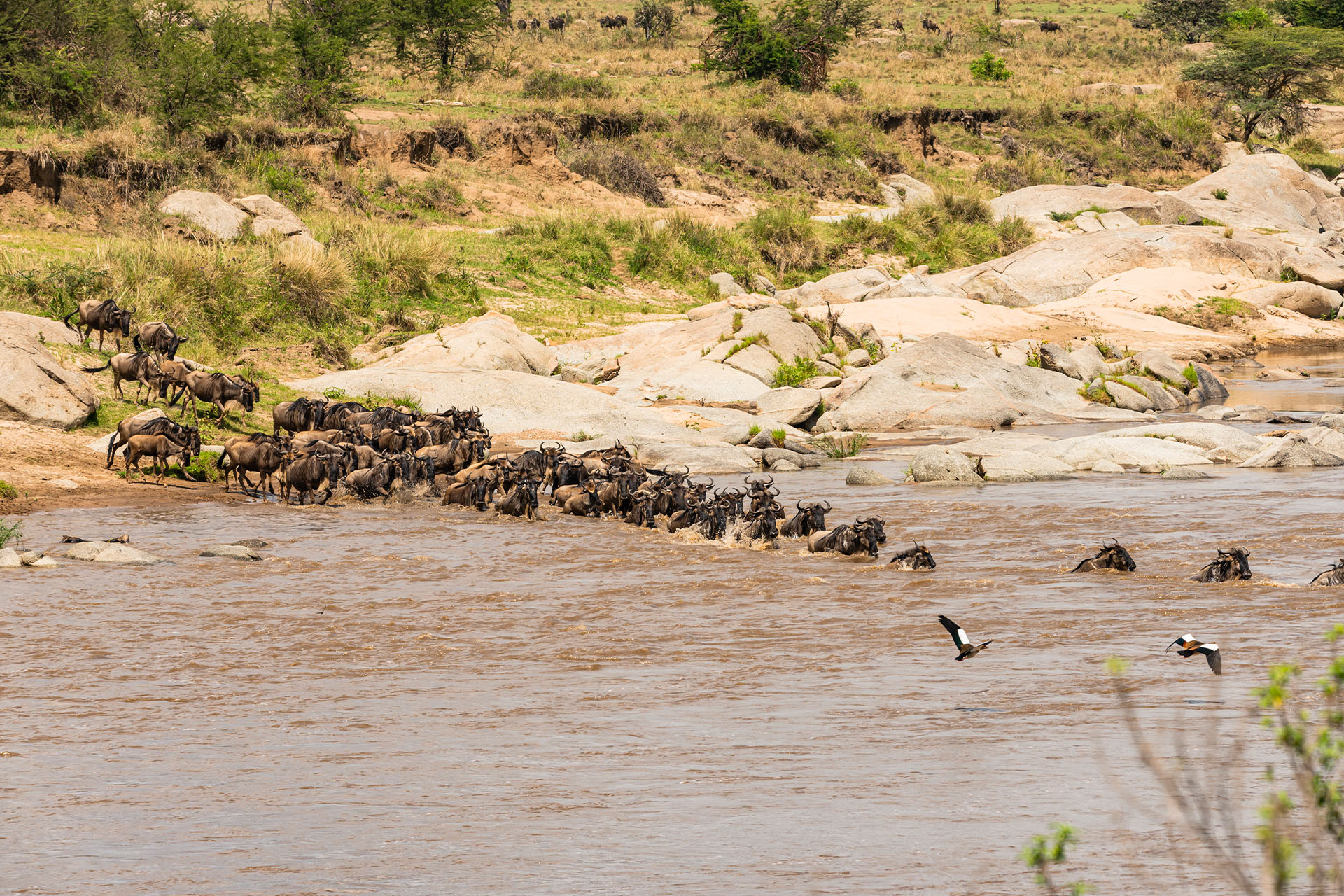
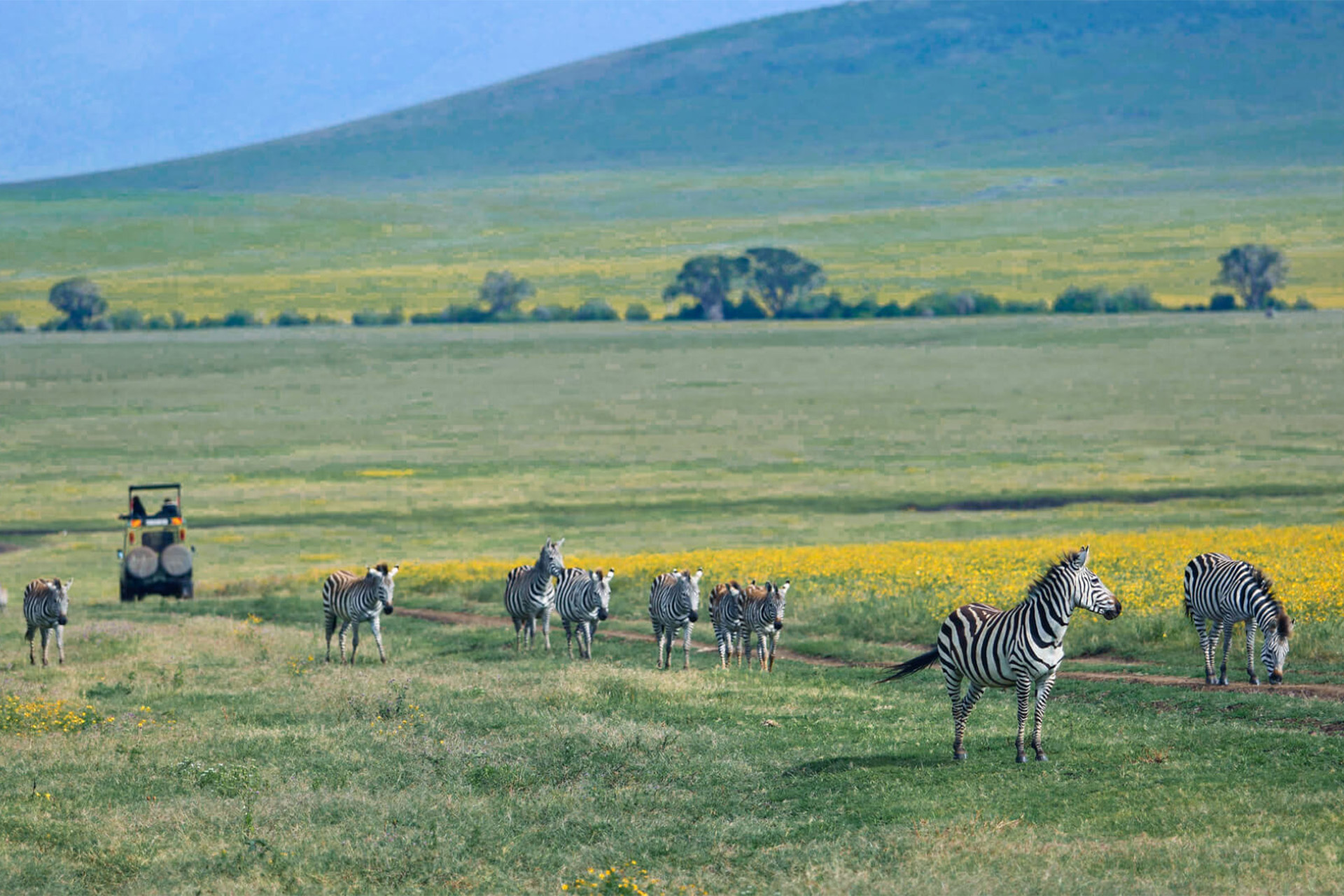
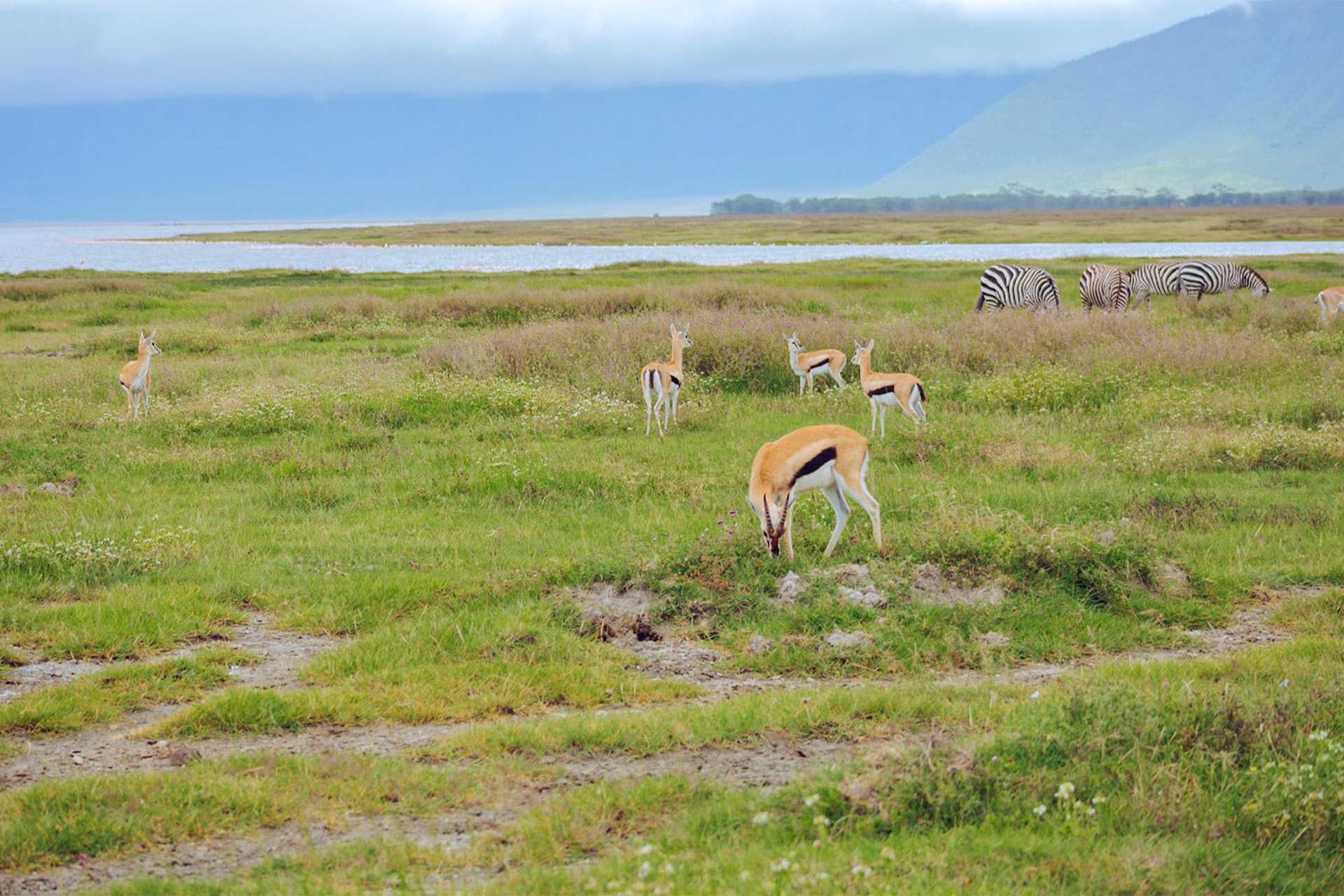
Following breakfast, you will spend the whole day on a game drive in the Serengeti National Park and have lunch at a picnic spot en-route. Depending upon the time of year, you might even have the chance to witness the great migration with hundred thousands of wildebeests, zebras and Thompson gazelles. During the small rainy season in October and November, you will typically see these herds moving from the Kenyan Masai Mara through the northwest of the Serengeti to the plains in the south. After the great rainy season in April, May and June, the herds slowly travel back through the western and north-western part of the Serengeti. With fluctuations in rainfall, this timetable can of course change, resulting in the animals migrating during different times and routes. Your guide will try his outmost to find the animals and will make sure that you can see them from the best spot in the national park. Naturally, the migration also attracts predators and with luck you might see a kill in action. You will spend another night at the Kati Kati Tented Camp.

Important: Please note that should you travel between the beginning of January and mid-March, you will stay at the Ndutu Kati Kati Tented Camp. This camp is also situated in the Serengeti National Park but closer to the border of the Ngorongoro Conservation Area in the Ndutu Area. As the herds can either be on the Serengeti or Ngorongoro side this increases your chance of seeing the famous migration.
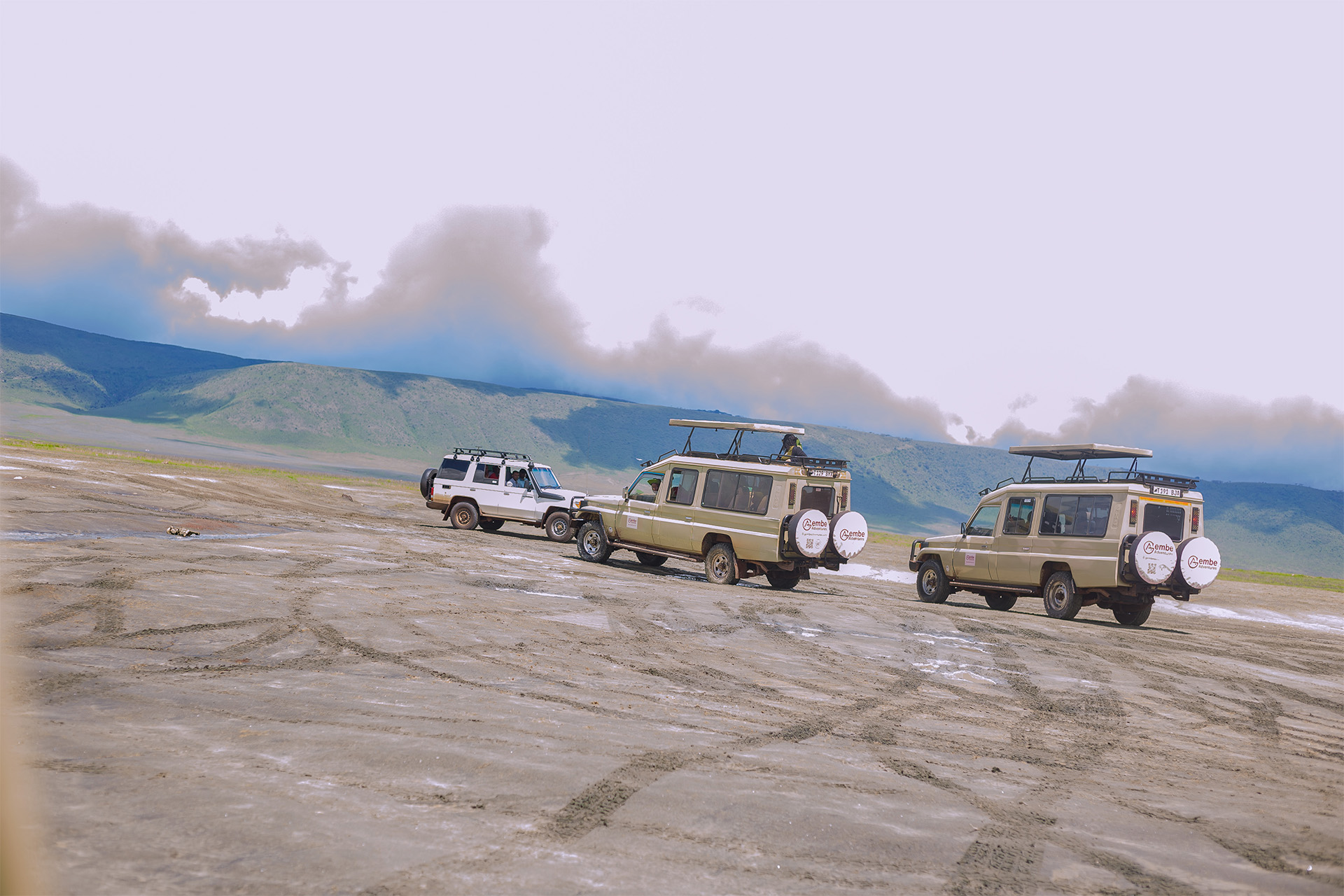
After breakfast at daybreak, you will start early on your outward journey from the Serengeti back to the Ngorongoro Conservation Area, leaving behind the beautiful Seronera Valley. As predators are livelier in the cooler hours of the day, you might even see them in action. Lunch will be taken en-route at a designated picnic spot. On reaching the crater’s edge, the 19-kilometre diameter caldera opens up before you in all its stunning glory and you will descend into the crater on an adventurous trail. This World Heritage Site is seasonally home to over 25,000 animals including a wide variety of birds, hyenas and the Big Five. Exiting the crater on a different ascent road, you will drive to Karatu in the Ngorongoro highlands, where you will spend the night at one of the three beautifully located Tanganyika Wilderness Adventure Lodges.

After a relaxing breakfast, you will return to Arusha, arriving around noon. Those who wish to combine this safari with a trip to Zanzibar can take a flight from the local Arusha Airport or Kilimanjaro International Airport. Lunch will be taken en-route.

Included/Exclude

  • Airport pickup and drop off
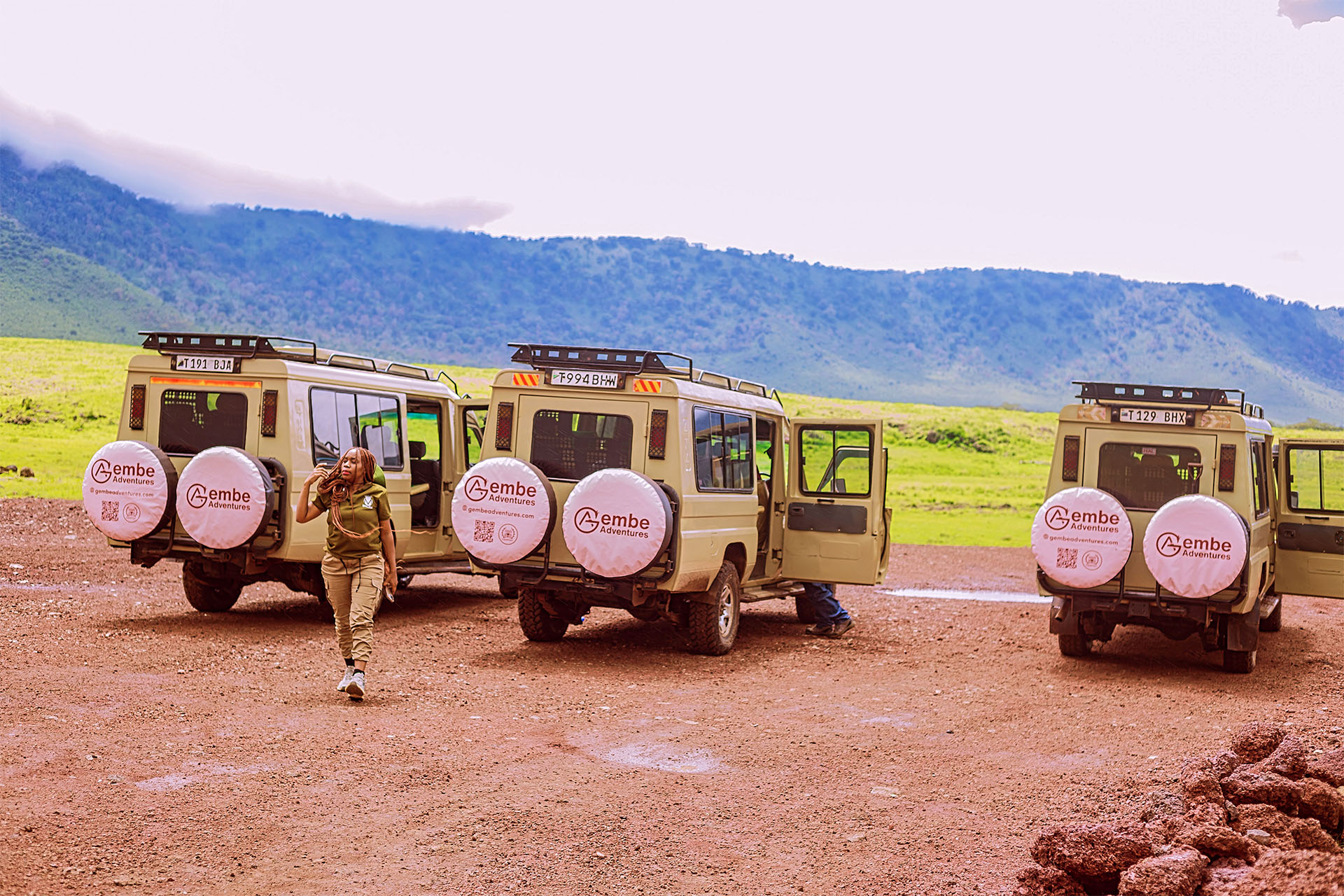
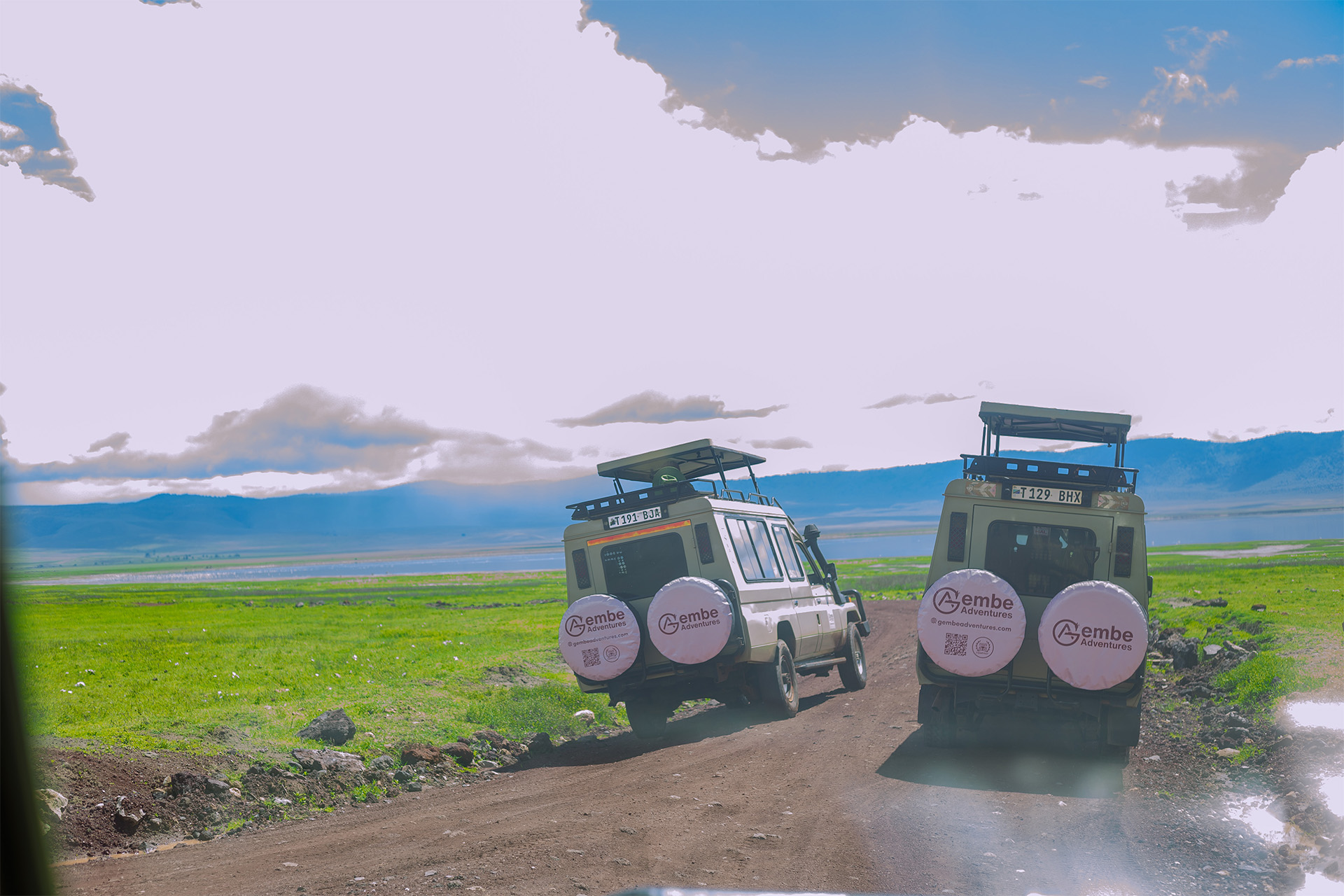
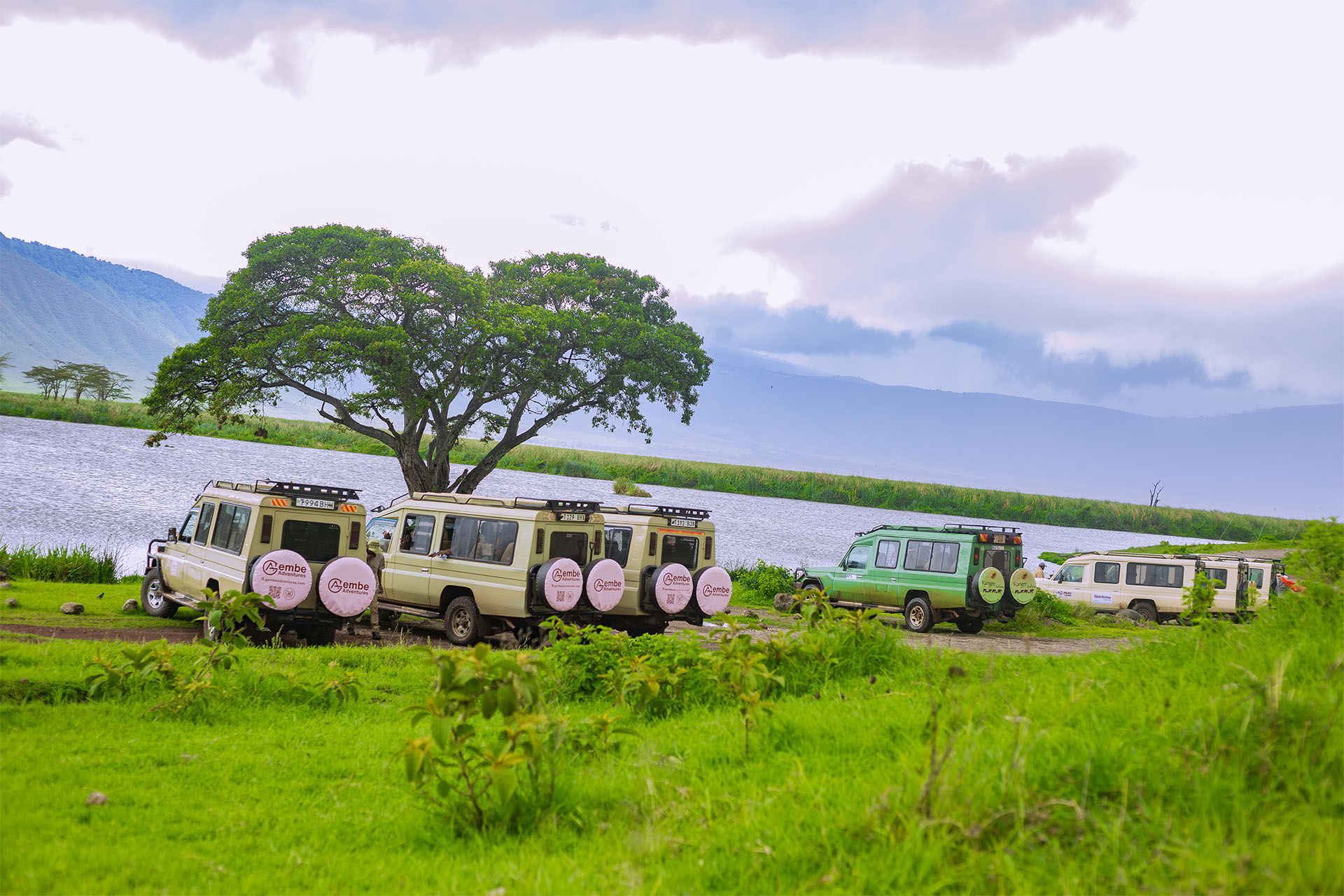
  • Transportation in a 4×4 safari vehicle
  • Professional, English-speaking guide
  • Overnight accommodation according to the itinerary
  • Meals while on safari
  • Mineral water
  • All government taxes
  • All mentioned activities
  • All national park fees
  • Flying Doctors insurance (AMREF) during the safari for emergency evacuations
  • International or Local Flights
  • Optional activities
  • Alcoholic and soft drinks
  • Visa fees
  • Tips
  • Personal spending money for souvenirs etc.
  • Travel insurance
FAQs
Mostly Frequently Asked Questions
What are the most popular national parks and reserves in Tanzania?

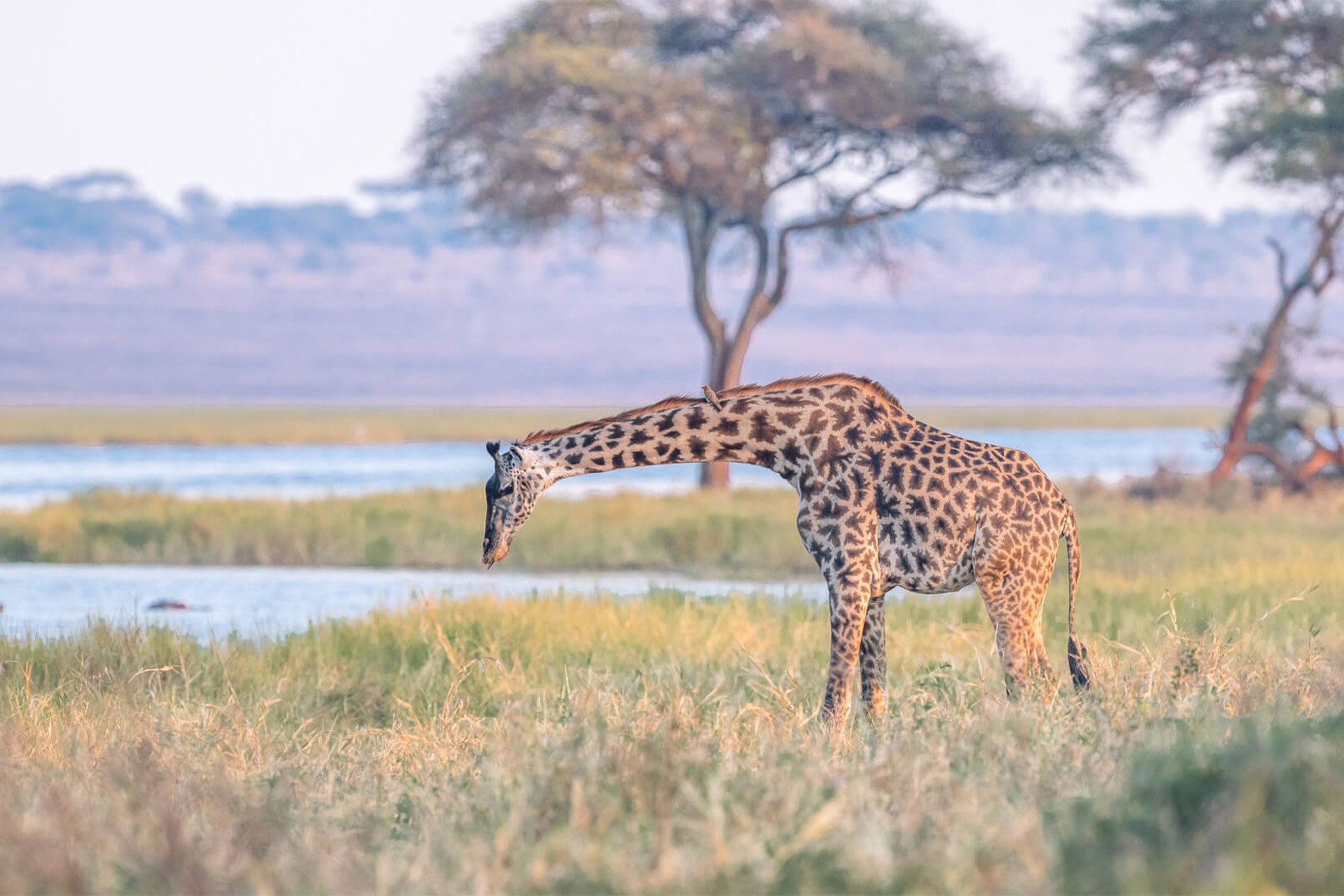
Tanzania is home to some of the most renowned national parks and reserves in Africa. The Serengeti National Park is famous for the Great Migration and abundant wildlife. Ngorongoro Crater is a UNESCO World Heritage Site and offers an incredible concentration of wildlife in a stunning volcanic caldera. Tarangire National Park is known for its large elephant herds and baobab trees, while Lake Manyara National Park is famous for its tree-climbing lions and diverse birdlife. The Selous Game Reserve and Ruaha National Park in the south offer more remote and less crowded safari experiences.

What types of safaris are available in Tanzania?

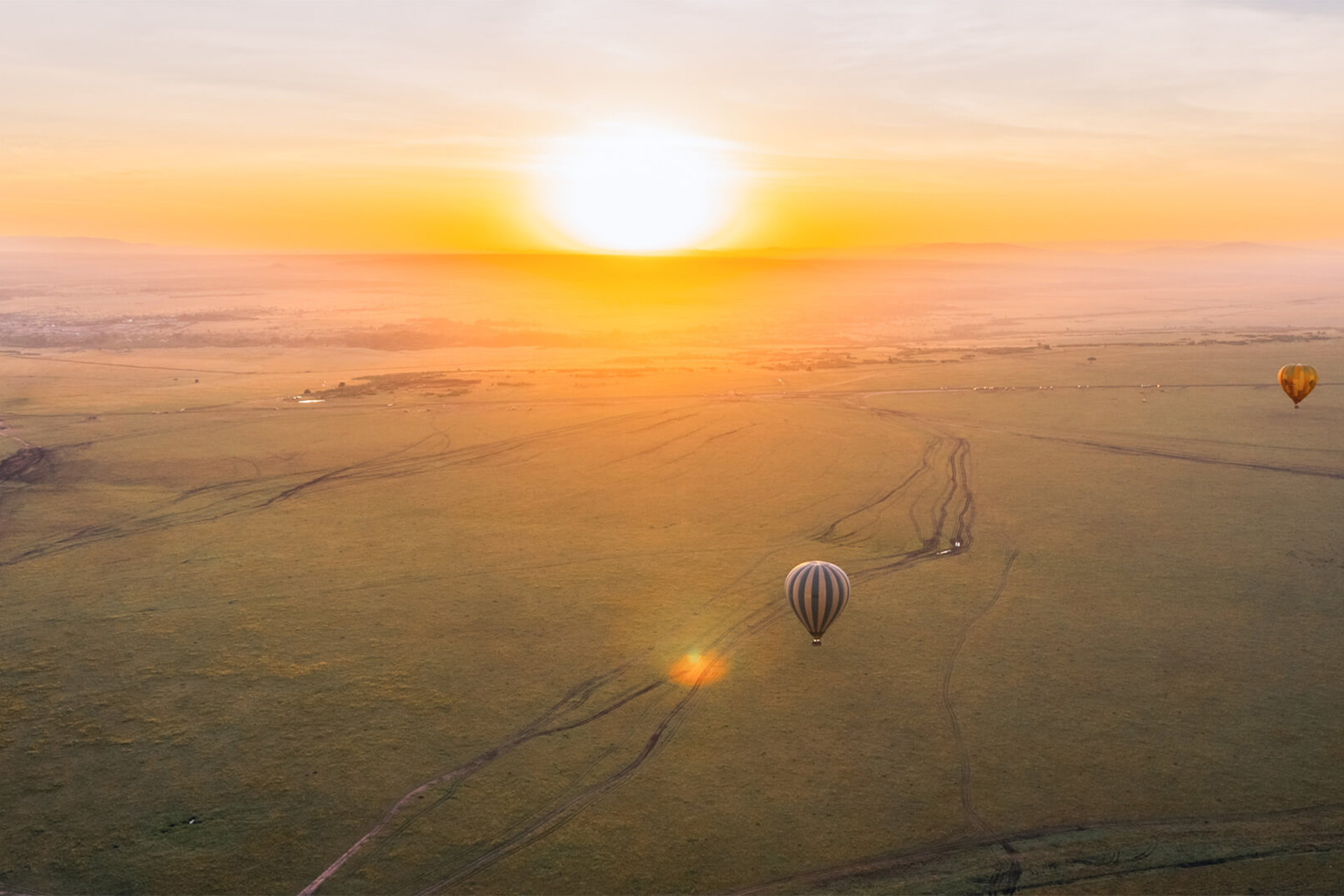
Tanzania offers a variety of safari experiences to suit different interests and budgets. Classic game drives are the most common and allow you to see wildlife from the comfort of a 4x4 vehicle. Walking safaris provide a more intimate experience, allowing you to explore the bush on foot with a knowledgeable guide. Hot air balloon safaris in the Serengeti offer a unique perspective of the landscape and wildlife from above. Night safaris, available in certain parks, give you the chance to spot nocturnal animals. Additionally, cultural safaris can be arranged to visit local tribes and learn about their way of life.

When is the best time to go on a safari in Tanzania?

The best time to go on a safari in Tanzania largely depends on what you want to see. Generally, the dry season from late June to October is ideal for wildlife viewing. During this period, animals congregate around water sources, making them easier to spot. Additionally, the Great Migration in the Serengeti, where millions of wildebeest and zebras move in search of greener pastures, peaks around June and July for river crossings and from late January to February for the calving season.

What should I pack for a safari in Tanzania?

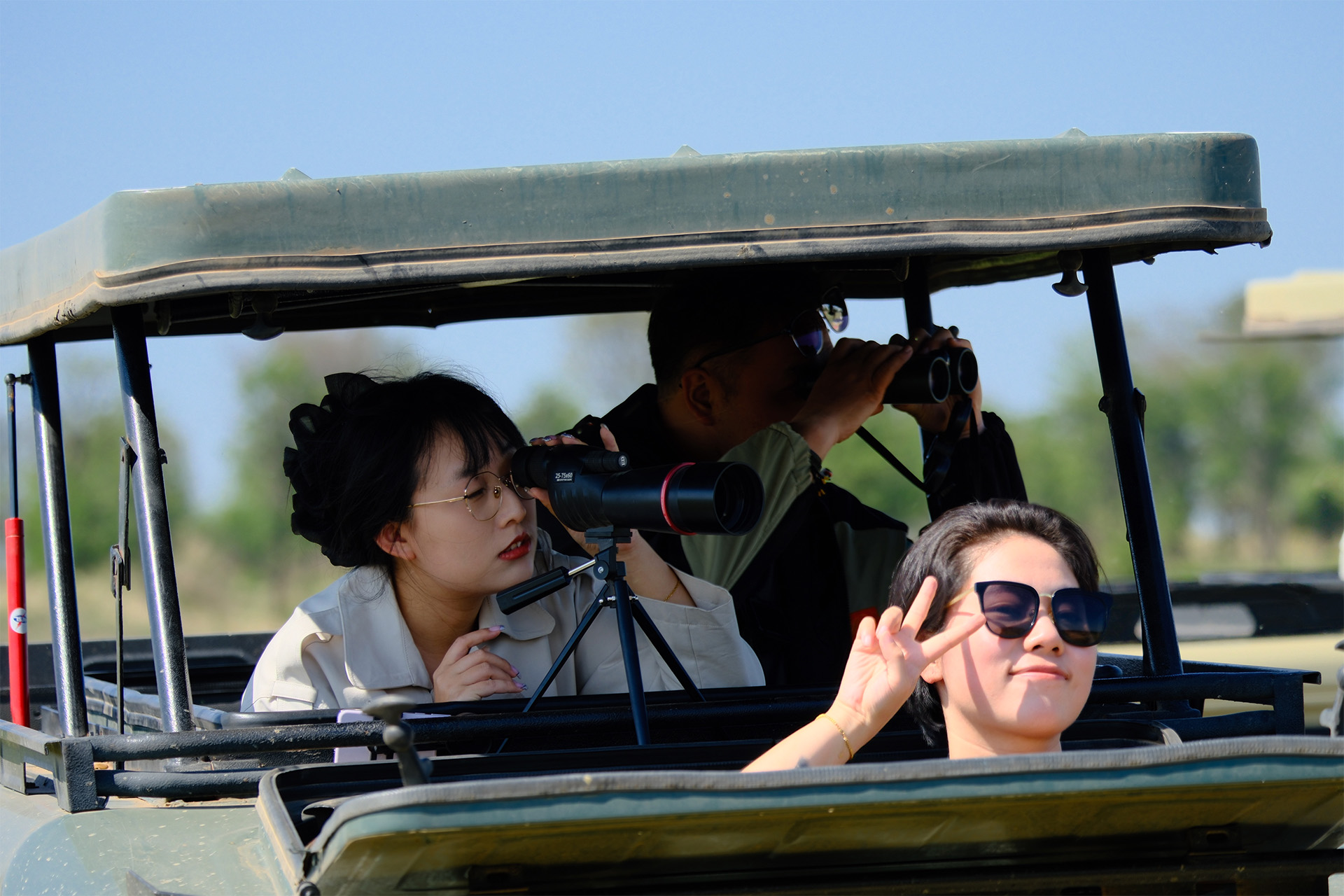
Packing for a safari requires careful consideration to ensure comfort and practicality. Essential items include light, breathable clothing in neutral colors to blend in with the environment and avoid attracting insects. A wide-brimmed hat, sunglasses, and sunscreen are crucial for protection from the sun. Sturdy, comfortable walking shoes or boots are recommended for walking safaris. Binoculars and a good camera are essential for wildlife viewing and photography. Additionally, bring insect repellent, a first aid kit, any necessary medications, and a reusable water bottle. Layered clothing is advisable as temperatures can vary greatly from morning to evening.

Do I need vaccinations or medication before traveling to Tanzania?

Yes, certain vaccinations and medications are recommended before traveling to Tanzania. It's advisable to consult with a travel health specialist or your doctor well in advance of your trip. Common vaccinations include those for hepatitis A and B, typhoid, and yellow fever (particularly if coming from or transiting through a yellow fever endemic area). Malaria is prevalent in many parts of Tanzania, so taking antimalarial medication is highly recommended. Additionally, ensure you are up to date with routine vaccinations such as MMR (measles, mumps, rubella), DPT (diphtheria, pertussis, tetanus), and polio.

Is it safe to go on a safari in Tanzania?

Tanzania is generally considered safe for tourists, and the safari industry is well-regulated with experienced guides and operators. However, as with any travel, it's important to exercise common sense and take precautions. Always follow the instructions of your guide, particularly when it comes to wildlife viewing and safety. Be aware of your surroundings and secure your belongings. In terms of health, it's important to take preventive measures against malaria and stay hydrated. It's also advisable to check travel advisories and register with your embassy before traveling.

How does a typical day on safari look like?

A typical day on safari in Tanzania often starts early, around sunrise, to take advantage of the cooler temperatures and increased animal activity. After a light breakfast, you'll embark on a morning game drive, returning to camp for brunch or lunch. The midday hours are usually spent relaxing at the lodge or camp, as wildlife activity slows down in the heat. In the late afternoon, you'll head out for another game drive, returning by sunset. Dinner is typically enjoyed at the camp, followed by time to unwind and share stories of the day. Some lodges also offer evening activities such as stargazing or cultural performances.

Booking Form

Book This Tour

Related Tours

Other Africa Tours You May Like